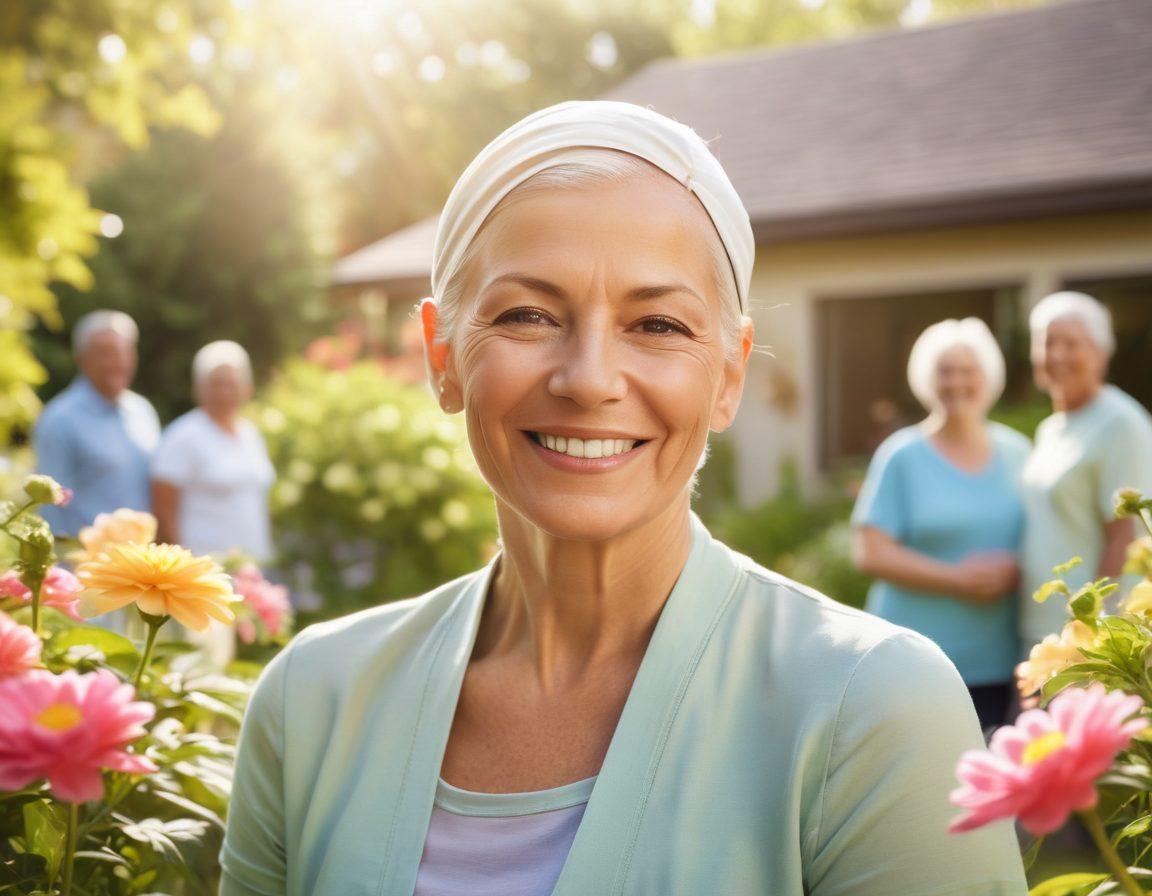
Empowering Patients: Essential Strategies for Coping with Cancer and Embracing Wellness
Navigating the cancer journey is often an overwhelming experience, filled with uncertainty and a myriad of emotions that can leave one feeling vulnerable. But what if I told you that knowledge and support could be your guiding light through this daunting process? It’s about empowerment through understanding, and finding strength not just in the fight against the malignancy, but also in the support networks that surround you. Cancer is not just a physical battle; it’s a journey that encompasses the mind, body, and spirit, and today, we will explore how to embrace wellness even in the face of a diagnosis.
Consider this: according to the American Cancer Society, early detection through screening can significantly improve survival rates, especially for carcinomas and neoplasms. Picture this as a roadmap through the fog—obtaining a diagnosis early on can direct your journey toward effective treatment options like chemotherapy, radiation therapy, or immunotherapy. What resources are available to guide you through this screening process? From medical blogs that offer insights from oncologists to community support groups that share survivor stories, knowledge is power when navigating this intricate landscape.
Now, let’s talk about coping strategies. It’s essential to surround yourself with emotional support, whether through professional counseling, support groups, or simply speaking with friends and family. Sometimes, heartfelt conversations are the best therapy. As the saying goes, 'No one can whistle a symphony. It takes a whole orchestra to play it.' Together, you can build a resilient support system that champions each hurdle you face, from symptom management to adjusting to lifestyle changes following diagnosis.
Nutritional support and lifestyle changes can also play a critical role in managing your wellness. What are you fueling your body with during this time of treatment? Integrating a balanced diet rich in antioxidants and essential nutrients can empower your immune system and help you cope with the side effects of treatment. Explore community programs that offer nutritional workshops, or consult a dietitian who specializes in cancer care. Remember, your body is your temple—taking care of it can lead to remarkable improvements.
Lastly, let’s address advocacy and awareness. Engaging in cancer awareness campaigns or participating in fundraising for research not only provides community support but can also reaffirm your sense of purpose. It’s a chance to connect with fellow warriors in this fight and turn your experience into something positive, perhaps even changing lives along the way. Whether you’re a patient or a survivor, your voice and actions matter in this vast network of hope and empowerment. The journey may be tough, but with the right knowledge, resources for patients, and a supportive community, you can face any challenge head-on.
From Diagnosis to Recovery: Key Strategies for Embracing Wellness in Cancer Care
Facing a cancer diagnosis can feel like stepping into a whirlwind, where emotions swirl and disbelief lingers. No one ever thinks it will happen to them, yet as many as one in three people will face some form of malignancy in their lifetime. So, how does one navigate through the storm of treatment options like chemotherapy, radiation therapy, and immunotherapy? The journey from diagnosis to recovery requires more than medical intervention; it calls for empowerment, resilience, and an unshakeable commitment to wellness. Let’s explore some profound strategies that can help patients embrace their health, reclaim their lives, and become active participants in their healthcare.
The first key aspect of cancer care is patient education. Armed with knowledge, patients can confidently engage with their oncologists and make informed decisions about their treatment plans. Did you know that understanding your diagnosis, whether it’s carcinoma, a neoplasm, or a tumor, can significantly impact your treatment outcomes? Moreover, discussing potential risk factors and participating in clinical trials can offer new frontiers of hope. But beyond the doctor's office, it's vital to seek out reliable resources for patients—be it books, websites, or local support groups—to build a strong foundation for your wellness journey.
Next on the roadmap to recovery are lifestyle changes that can enhance both physical and emotional well-being. Engaging in regular physical activity, fostering social interactions, and nurturing mental health are crucial. Imagine starting each day with a gentle yoga session or joining a community support group where stories of resilience and triumph are shared. As one cancer survivor once said, "It’s about finding strength in your struggle." It's this deep reservoir of community support and connection that can be transformative on the path to wellness. What changes can you incorporate into your daily life to honor your journey?
Nutritional support cannot be understated. Eating a balanced diet rich in antioxidants, whole grains, and lean proteins can bolster your body's defenses against side effects from treatments like chemotherapy. The connection between nutrition and health is profound; think of it as a safeguard for strength and stamina. Could a colorful plate filled with vibrant fruits and vegetables become your everyday goal? Investing in cooking classes or consulting with a nutritionist could prove to be invaluable resources for patients embarking on this new lifestyle. Eating well is not just about surviving; it's about thriving during your treatment.
Finally, emotional support is a cornerstone of coping strategies. Navigating cancer can be an emotional rollercoaster, and understanding that it's okay to seek help can make all the difference. Whether it’s through palliative care services, therapy, or simple conversations with loved ones, addressing your feelings is essential for mental health and wellness. Regularly participating in cancer awareness campaigns or fundraising for research can also create a sense of purpose and community involvement. Remember, your journey is shared by many; survivor stories inspire and uplift, reminding us that resilience lives within us all. How will you harness your strength and become your own advocate during this challenging time?
Building Resilience: Coping Mechanisms and Community Resources for Cancer Patients
In the face of a carcinoma diagnosis, many find themselves wrestling with emotions that range from fear to confusion. Coping with cancer isn’t just a solitary battle; it’s a journey that countless individuals embark on, often joining a vast community of support. But how can we build resilience during this tumultuous time? The answer lies in understanding and leveraging various coping mechanisms and community resources available for cancer patients. From insightful survivor stories to effective emotional support networks, let’s explore how together we can weave a stronger fabric of wellness and fortitude in the cancer journey.
Imagine standing at the beginning of a long and winding road covered in fog. This is how many feel upon receiving a cancer diagnosis—lost, uncertain, and scared. The first step toward empowerment is often through patient education. Knowing more about the specifics of your malignancy—from the type of tumor to the recommended treatment options like chemotherapy, radiation therapy, or immunotherapy—can ease some of that haze. It’s not just about understanding the clinical terms but absorbing how these treatments play a role in managing symptoms and paving a path toward recovery. So, what resources for patients can make this journey clearer?
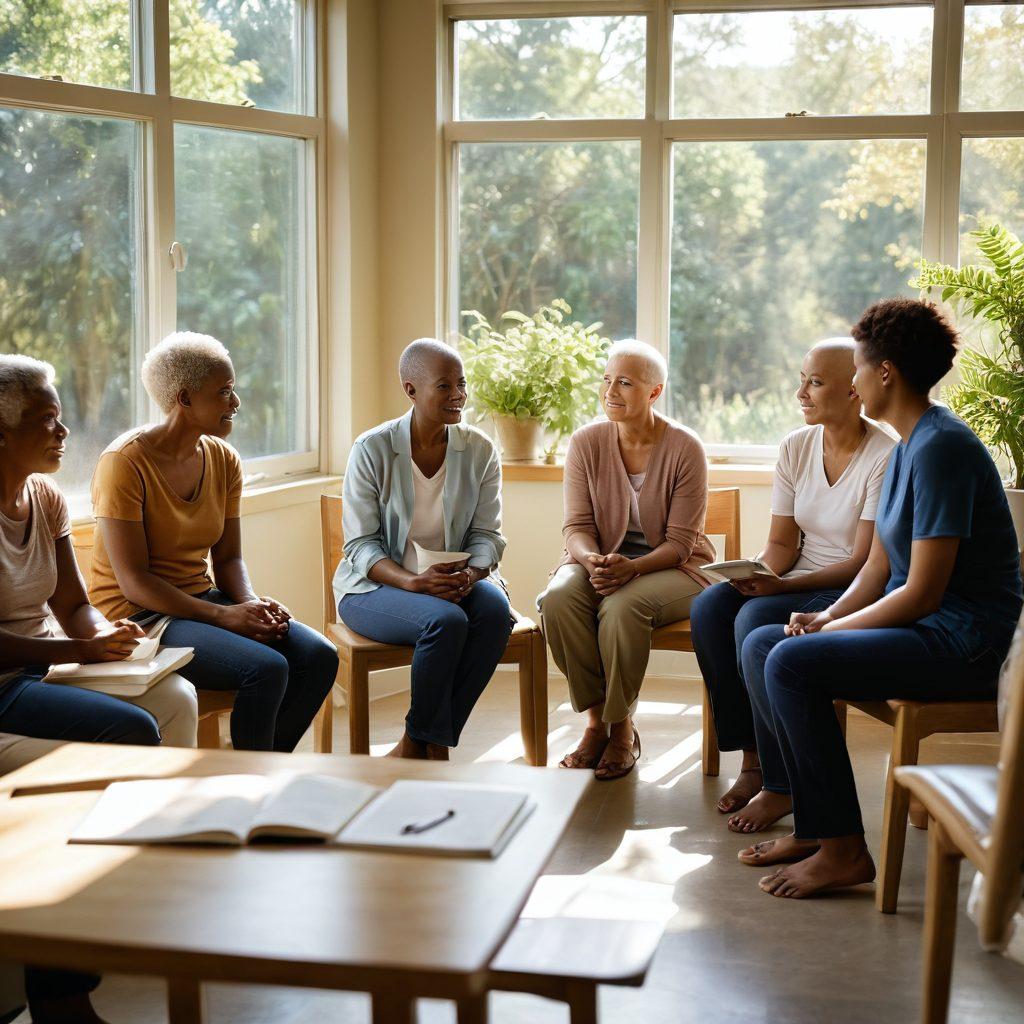
Support does not have to stem just from medical professionals; emotional support plays a vital role in coping strategies too. Organizations focused on cancer advocacy often host community support groups, where sharing experiences fosters connection. The healing power of a listening ear can be transformative. Have you ever heard someone say, "We're all in this together"? That sentiment encapsulates the essence of these gatherings. It’s within these supportive environments that survivors share their journeys and strategies, inspiring hope and resilience among patients. Building connections in these safe havens can be invaluable in feeling less alone.
But let’s not forget about the tangible side of coping. Implementing lifestyle changes can profoundly affect both mental and physical health, paving the way for improved wellness. Focus on nutritional support, as studies suggest that a balanced diet can enhance treatment efficacy and strengthen the immune system. Furthermore, engaging in regular, gentle exercise not only aids in symptom management but also boosts mood, reducing feelings of anxiety and depression. Are you ready to take that first step toward a healthier lifestyle?
Lastly, creating a proactive approach to emotional health includes seeking resources beyond the doctor's office. Finding local fundraising for research initiatives or participating in cancer awareness campaigns can shift focus from battling cancer to making a difference in the community. This shift in perspective not only strengthens personal resilience but also nurtures a sense of purpose. In the grand tapestry of cancer coping, remember: every story of survival is a thread worth sharing. How will you weave your story?